
UK Electricity Networks and Winter Resilience
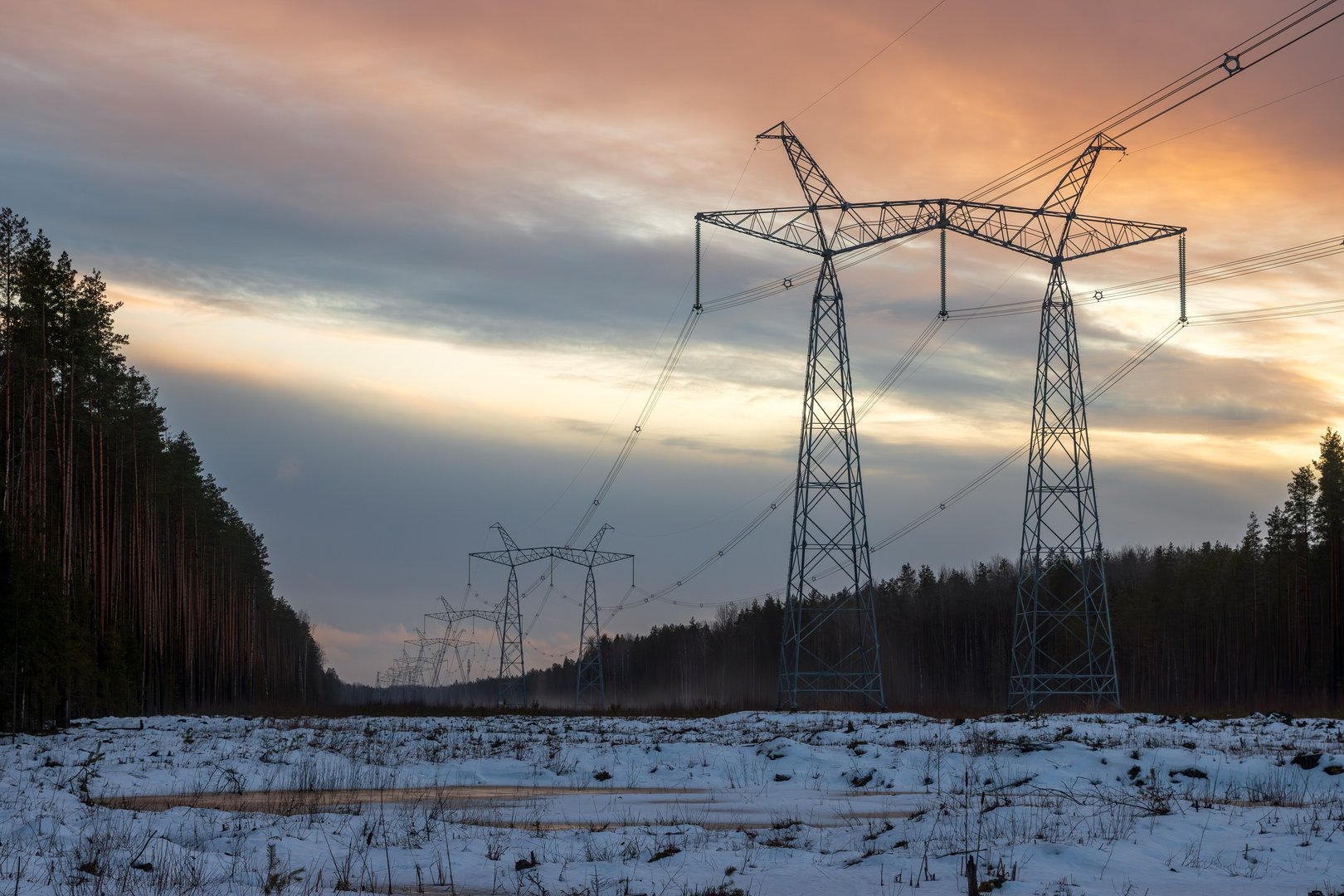
Throughout winter, energy headlines in the UK often focus on short-term risks: cold snaps, emergency demand measures, or storm-related outages. But while these events make headlines, the question of winter resilience lies in something less visible, the electricity network itself.
Recent events have highlighted the vulnerability of this infrastructure. Storm Arwen in 2021 left over a million customers without power after high winds brought down extensive sections of overhead lines. Storms like Eunice in 2022 caused further widespread damage, highlighting how severe weather can expose weak points in the grid within hours.
These incidents raise the broader question: can the UK’s electricity networks be upgraded fast and affordably enough to deliver both winter resilience and the government’s Clean Power 2030 ambition?
A resilient grid under growing pressure
The National Energy System Operator's (NESO) Winter Outlook for 2025/26 suggests that Britain will have adequate capacity to meet peak winter demand without major interruptions. Recent forecasts show comfortable margin levels relative to peak demand, underpinned by growing battery storage and interconnector capacity as well as flexible generation and demand management. These developments, including a stronger de‑rated margin than in previous years, reflect progress in modernising how the grid copes with winter peaks. The de‑rated margin is essentially a safety buffer: it measures the difference between the electricity supply available and the peak demand expected in winter.
Yet these figures only tell part of the story. Britain’s electricity system is undergoing a major transformation: coal is exiting, gas dependence is reducing, and renewables are taking the lead. That means the system must move far more power from where it’s generated, often remote wind farms or solar clusters, to where people and businesses actually need it. Without a network that can handle that flow reliably, margins alone cannot prevent outages during peak winter demand.
Labour’s Clean Power 2030 and the network mandate
The Labour government has made the transition to clean, secure and affordable power a cornerstone of its public agenda. In its Clean Power 2030 Action Plan, the government commits to tripling flexible clean power capacity by the end of the decade and to massively expanding the grid infrastructure needed to support that shift. This strategy is not only an environmental imperative, but an economic and consumer‑protection measure, promising lower exposure to volatile fossil fuel markets and ultimately cheaper power in the long term.
But achieving these ambitions means confronting the fact that the UK’s electricity networks require unprecedented levels of investment and reform. The government has signalled this scale explicitly: network expansion must occur at a level “not seen for over 50 years.” It could involve hundreds of billions of pounds of investment through 2050 to achieve a net-zero electricity infrastructure build-out.
The RIIO-3 investment framework
RIIO-3 (Revenues = Incentives + Innovation + Outputs), the regulatory investment framework set by Ofgem that will govern electricity and gas networks from 2026 to 2031, was published in December 2025. Ofgem approved an initial £28 billion in baseline funding for transmission and distribution networks, with total investment over the period now projected to be in the order of £90 billion or more as additional projects are funded through uncertainty mechanisms and in‑period reviews. This funding is explicitly intended to keep electricity networks safe, secure, and resilient while boosting capacity to meet the rising demand from electrification and renewable energy sources.
Rather than committing the full amount upfront, Ofgem has approved baseline funding while leaving the remainder subject to in-period reviews and flexible funding mechanisms. This phased approach protects consumers from over-investment while managing the scale of commitment required from investors.
Grid connections reform: clearing the bottleneck
Alongside investment, the government, regulator, and NESO have moved to reform the grid connection process, which has long been blamed for bottlenecks that have slowed the online integration of renewables and storage. Under earlier rules, more than 700GW of generation and storage projects were in the queue, far beyond what is needed to meet 2030 targets. The new approach prioritises projects with planning consent and development readiness, creating a pipeline aligned with national goals and clearing speculative or stalled applications.
Looking ahead
This winter may well arrive with margins intact, but it is the progress made in transforming the networks that will determine whether resilience is durable, affordable and politically sustainable. Less visible signs of disruption can be a positive indicator of good work, though they should not obscure the scale of the challenge. As the Labour government advances Clean Power 2030, the decisions made now on RIIO-3, grid reform, and investment pathways will define not just the coming winter’s security, but also the credibility of the UK’s energy transition strategy more broadly.
Read more like this
UK Electricity Networks and Winter Resilience
.jpg)
Turning Vulnerability into Resilience: The UK’s Critical Minerals Challenge

Climate Change: Misinformation and the Role of AI

A Turning Point for Renewable Supply Chains? Unpacking the Great British Energy Amendment
.jpg)